
Open Social Summit
Introducing Lumina Insights: How to finally measure the true ROI of your community platform
.jpg)
At the Open Social Summit, Bram ten Hove introduced a topic that many organizations struggle with every day. Communities generate activity, dialogue and connections, yet few teams know how to measure the deeper value behind all this engagement. Bram, Co-founder and CTO of Open Social, presented Lumina Insights as a response to this challenge and showed how it helps teams understand participation in a more meaningful and practical way.
Bram opened his session with the simple but pressing question many community managers face. How do you know if your community is working? Traditional metrics like post counts or page views fail to capture the quality of engagement or the real outcomes of collaboration. They only show movement and not impact. To measure the true return on collaboration, you need more than surface data. You need ways to understand who participates, how people connect and how activities shape the goals of an organization.
Lumina Insights was built to fill that gap. Bram described it as an analytics and intelligence suite designed specifically for community collaboration. It does not follow the logic of standard website analytics which focus on clicks and traffic. Instead, it studies behavior inside communities. It shows when members join discussions, how they move through shared projects, which content sparks participation and when activity leads to outcomes that matter. It brings together data in one environment and makes it easier to answer the questions that guide community strategy.

Bram explained how the idea for Lumina grew from real customer needs. Many organizations supported large international communities with important missions but struggled to report on results. Teams had to export data manually or combine numbers from different tools. They needed dashboards that helped them speak with leadership and align with the priorities of donors, partners and stakeholders. Lumina Insights gives them this visibility. It offers real-time dashboards that highlight engagement and growth and it organizes information in a way that helps teams evaluate progress.
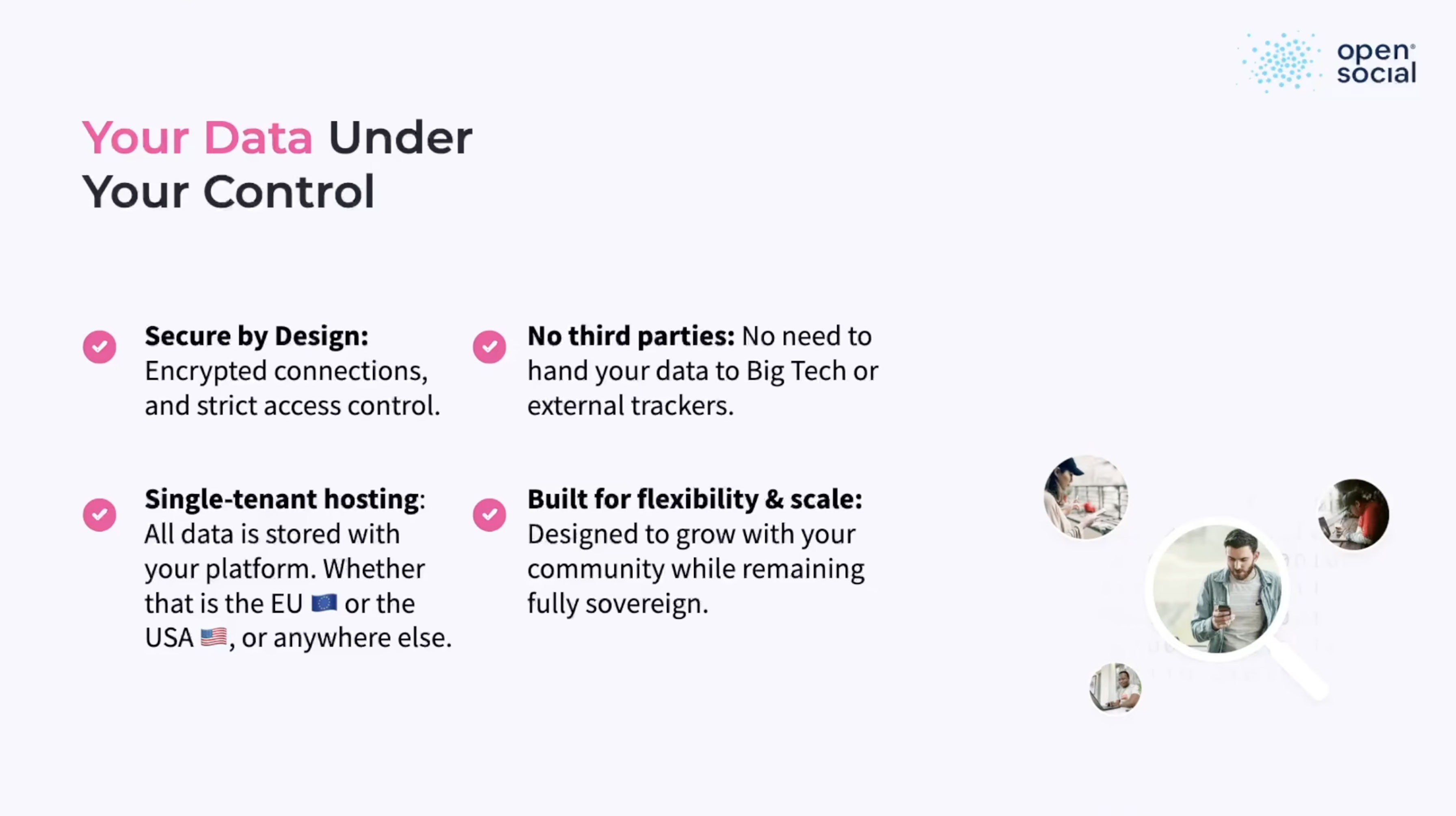
A key part of the suite is what Bram called governance-ready analytics. Community teams often need to report to steering committees or boards. They must show how their platform contributes to strategic goals and they must do it without compromising privacy. Lumina supports this by analyzing anonymized patterns rather than exposing personal data. It follows strict data sovereignty standards and helps organizations keep control of their information. This is especially important for associations, public institutions and networks that operate across different countries or regulatory environments.
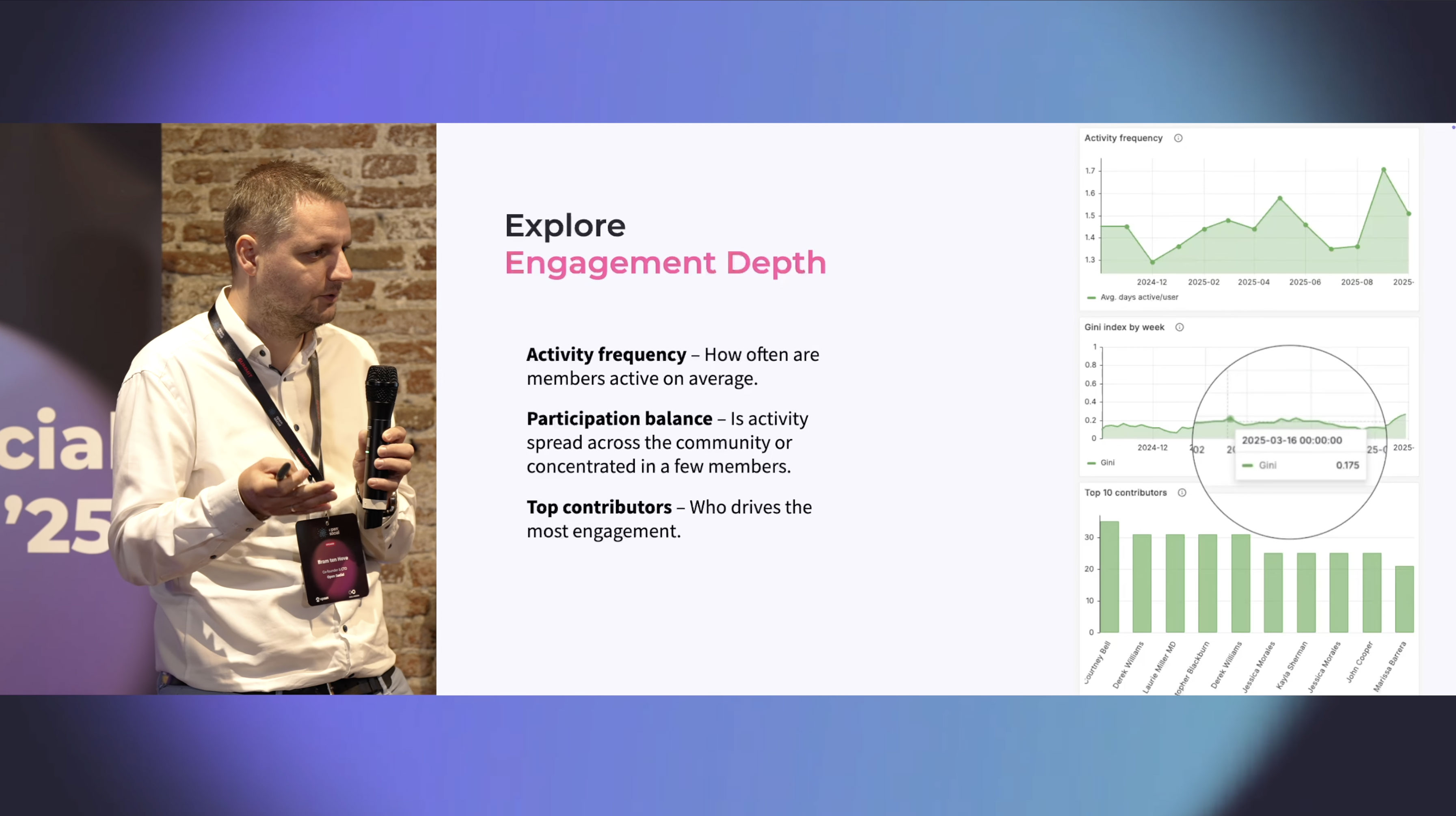
Bram also emphasized that Lumina is not just a reporting tool. It guides decisions. Community managers can use insights to understand which activities influence retention or where people disengage. They can identify the members who drive participation and find moments when conversations slow down. By knowing what works, teams can design better programs, make improvements and focus on actions that lead to real outcomes. Bram described it as moving from guesswork to informed strategy.
Throughout the presentation, Bram used straightforward examples that many listeners recognized. He spoke about communities that run workshops and need to understand how these events affect long-term participation. He mentioned organizations that want to compare the behavior of new members with those who have been active for years. Lumina organizes this information in a clear and accessible way. It supports both high-level patterns and detailed views and it helps community leaders work with evidence rather than assumptions.
Another theme in Bram’s talk was the idea of connected systems. Many organizations manage several tools, including CRM platforms, mailing lists and content management systems. These tools often operate separately which makes it hard to follow the full journey of a member. Lumina Insights supports integrations that help break down these gaps. By linking data sources, you can understand how external activities influence engagement inside the community. This combined view becomes essential when teams want to evaluate the full member experience.

Bram highlighted how Lumina is evolving together with the rest of the Community Collaboration Platform. The introduction of document collaboration, AI assistants and the Connection Hub creates a more complete environment where work happens inside the community itself. With more activity taking place on one platform, Lumina can capture richer insights and reflect how collaboration changes over time. Bram noted that as communities grow more complex, they need tools that help them track this complexity without becoming overwhelmed.
Privacy remained a constant element throughout the talk. Bram made it clear that Lumina follows the principles of responsible data use. The analytics suite respects European standards for data sovereignty and offers organizations full control over their information. The goal is to give community teams powerful insights without compromising trust. When people feel safe they participate more openly and share ideas that contribute to meaningful outcomes.
Toward the end of his presentation, Bram returned to the core reason why Lumina exists. Engagement is not just an activity. It is a sign of connection, purpose and value. When teams understand these signals, they can strengthen their communities and support long-term success. Lumina helps them see the patterns behind participation and make decisions that reflect the needs of their members.
Bram closed by inviting organizations to explore Lumina Insights and consider how it fits into their collaboration strategy. The tool is built not only for reporting but for shaping the future of community work. It turns data into guidance and helps teams understand what truly matters. For many organizations, this becomes the missing piece that connects their vision with real, measurable progress.
The session showed that community analytics is not about counting interactions. It is about understanding the relationships and behaviors that drive mission-driven outcomes. Bram’s introduction to Lumina Insights highlighted how better data can empower more confident decisions and more effective communities. As collaboration becomes increasingly important for global challenges, Lumina offers a practical way to navigate that complexity with clarity and purpose.
Related articles
You might find this interesting too.

Connect. Collaborate. Thrive.