
Open Social Summit
Designing communities with purpose by Emile Berckmoes
.jpg)
At the Open Social Summit, Emile Berckmoes offered one of the most practical and immediately applicable sessions of the event. As Founder of Product Department, he works with organizations to design and strengthen their community strategies. His talk focused on the fundamentals that make communities successful, grounded in behavioral psychology, product thinking and real-world experience. Emile emphasized that vibrant communities do not grow by accident. They are shaped through clear intent, thoughtful design and ongoing alignment between teams and leadership.
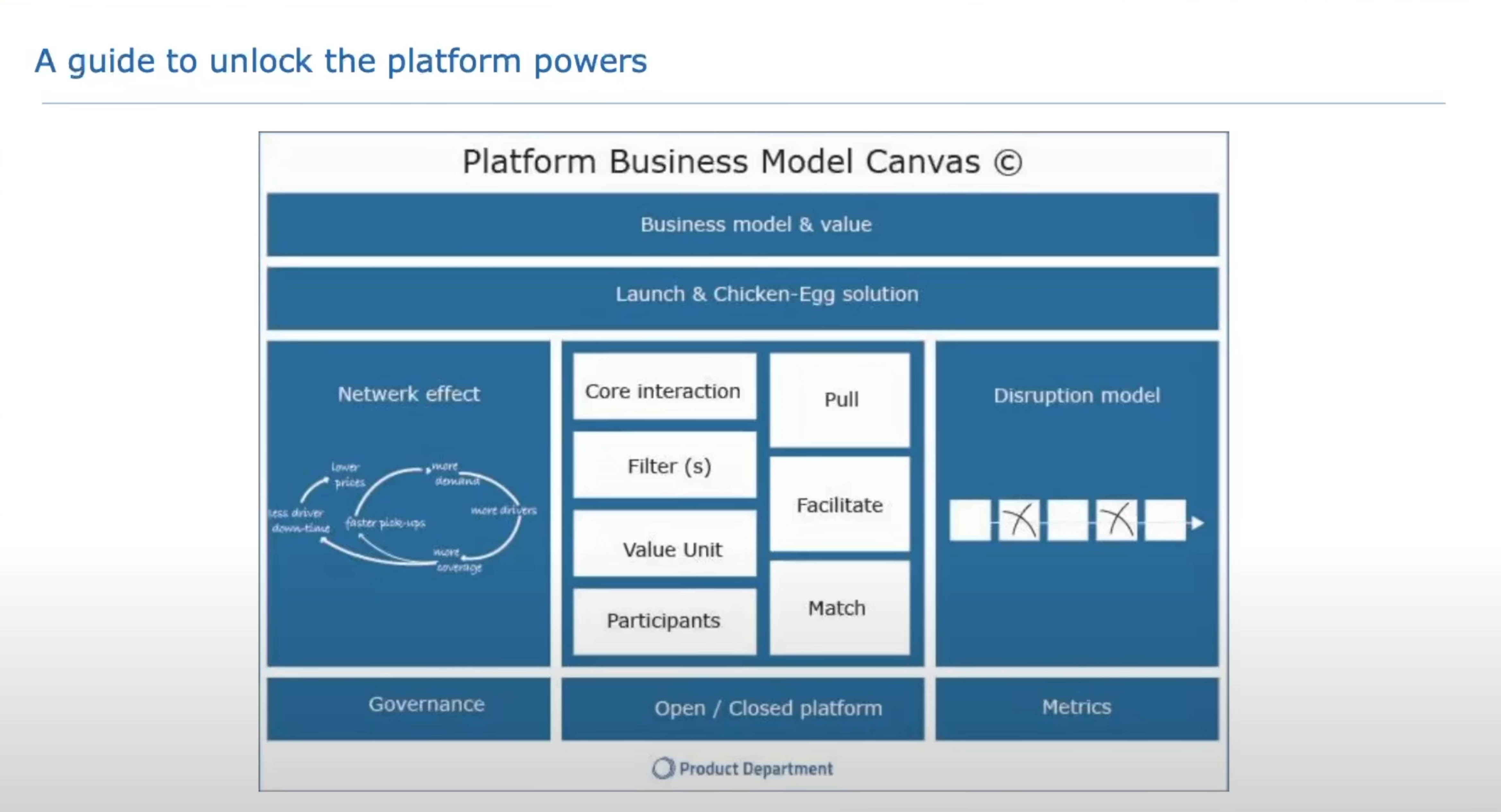
Emile opened with a familiar challenge. Many organizations want a community but are unsure how to define its purpose or measure success. They launch platforms filled with features yet struggle to spark meaningful engagement. According to Emile the first step is to understand the core interaction of the platform. Every successful community has one. It is the simple action members return to repeatedly because it creates value. In some communities, it involves asking questions. In others, it is sharing resources or participating in projects. Without clarity about this core interaction, teams cannot design effective strategies.
He explained that communities grow around motivations. People join because they believe the community can help them achieve a personal or professional goal. This might involve learning a skill, connecting with peers or accessing opportunities. If a platform does not support these motivations through its design, members will lose interest. Emile encouraged organizations to look closely at what their audience values and to shape their community experience around those needs.
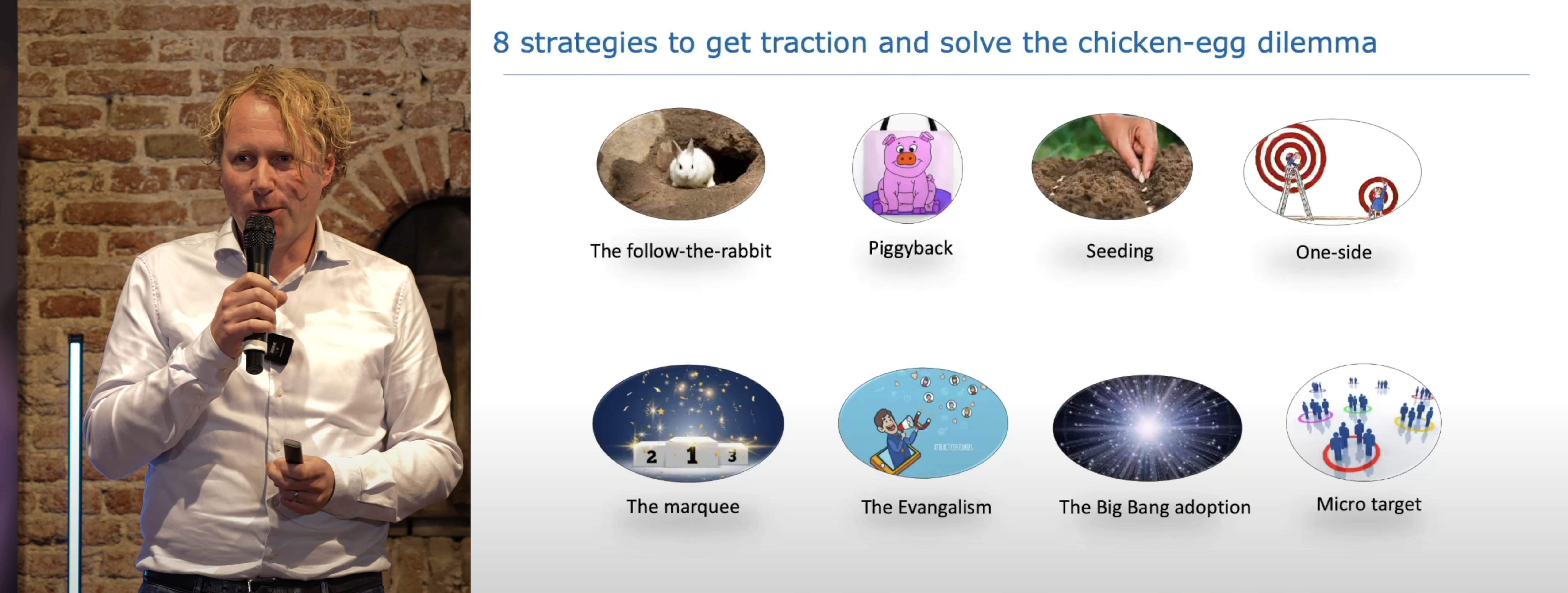
A central theme in Emile’s talk was the classic chicken-and-egg problem. Communities require active members to create value. Yet members will not engage unless there is already value in place. Emile explained that the solution lies in building for the first users, not the imaginary future crowd. Early adopters need a clear purpose, focused content and a simple path to contribution. Once they begin participating, their activity attracts the next group of members. Growth happens in stages and teams must support each stage with intention.
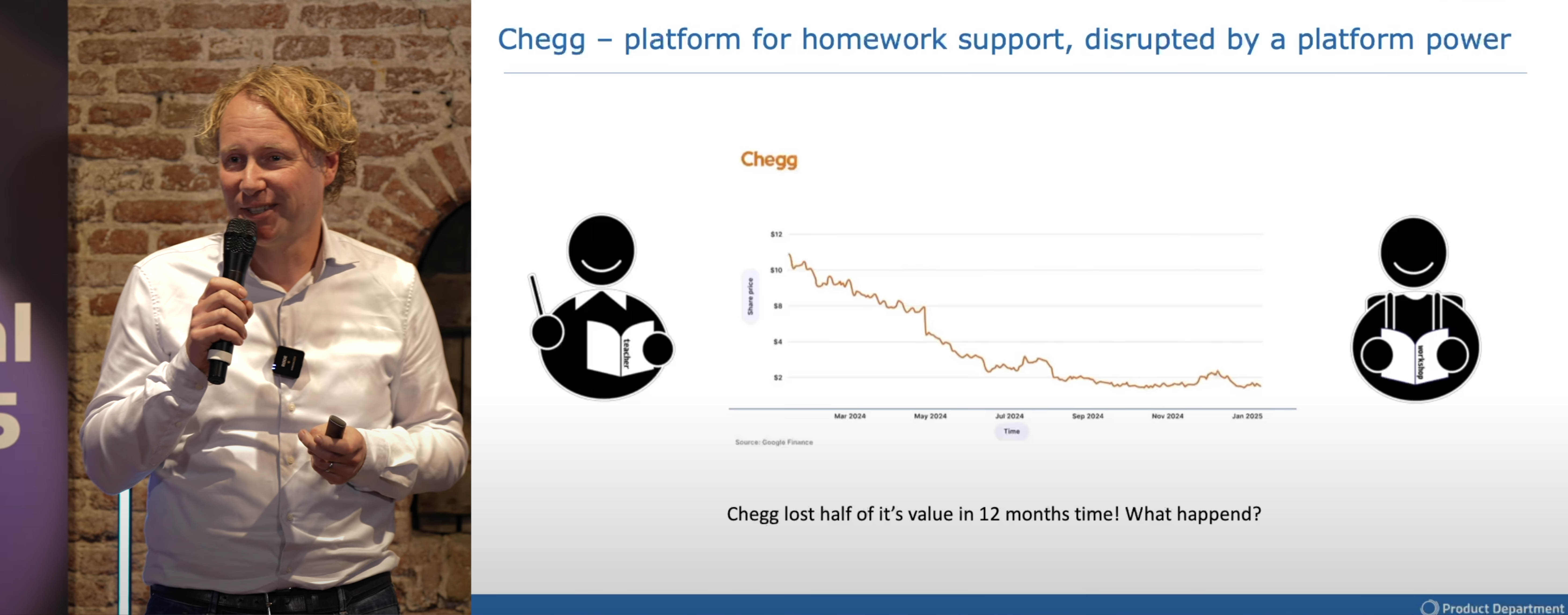
Emile also highlighted the role of constraints. Many organizations assume that offering more features and more freedom will increase engagement. In reality, the opposite is often true. Too many choices create confusion and discourage participation. Good community design offers structure. It guides members into clear actions and reduces friction. Emile encouraged teams to think like product designers. Ask whether each feature helps members achieve the core interaction or distracts them from it.
Another part of his talk focused on leadership alignment. Communities cannot thrive if there is no shared understanding of their purpose inside the organization. Leadership must support the strategy and recognize that community development is a long-term investment. Without this support, teams struggle to prioritize resources or make decisions. Emile noted that community managers need the authority to shape the environment and the trust to experiment. Clear alignment helps prevent internal tensions and keeps the community focused on its mission.
Emile explained that sustainable engagement depends on consistency. Communities rarely grow through one-off campaigns or occasional activities. They grow when members develop habits. This requires regular communication and predictable opportunities to engage. Whether through weekly prompts, monthly events or structured programs, communities benefit from rhythm. Emile encouraged teams to plan engagement cycles rather than rely on spontaneous activity.
He also emphasized the emotional dimension of community. People participate when they feel seen, valued and connected. Recognition matters. Highlighting contributions, thanking participants and showing appreciation help create positive reinforcement. These small gestures turn passive members into active ones. Emile pointed out that many successful communities use rituals, celebrations or shared stories to strengthen bonds.
Another key insight from Emile was the importance of reducing barriers to entry. New members often feel unsure about how to participate or what is expected of them. Onboarding becomes crucial. A good onboarding flow welcomes people, explains the purpose of the community and offers a simple first action. This small first step helps turn newcomers into contributors. Without clear onboarding, communities lose potential members before they ever engage.
Emile also addressed the need for clear roles. Communities benefit from moderators, facilitators and champions who guide participation. These roles help maintain quality and ensure that discussions stay productive. They also create a sense of structure. Members know who to approach for help and who can support their journey. Emile encouraged organizations to empower these roles and recognize their importance.
Throughout his talk Emile referenced practical examples from his consulting work. He described communities that struggled with engagement because they were built around organizational needs rather than member motivations. He also described communities that thrived because they understood their purpose clearly and shaped every feature around that purpose. These examples illustrated that success is not a mystery. It is a result of careful design choices and ongoing attention.
He spoke about the value of feedback loops. Communities evolve and members’ needs change. Teams should regularly gather feedback and adapt their strategies. This iterative approach helps ensure that the community remains relevant. Emile explained that feedback should inform small improvements rather than drastic shifts. Continuous refinement strengthens the foundation over time.
Toward the end of his presentation, Emile emphasized that community work is both strategic and deeply human. It requires clear goals, thoughtful design and reliable processes. But it also requires empathy. Teams must understand the experiences, motivations and challenges of their members. They must create environments where people feel comfortable sharing ideas and forming connections. Successful communities grow when strategy and empathy work side by side.
Emile closed by reminding the audience that communities are long-term commitments. They require ongoing care and leadership. With the right foundation, however, they can create enormous value for both organizations and members. His talk offered a roadmap for building communities that last by focusing on purpose, motivation and meaningful engagement.
Related articles
You might find this interesting too.

Connect. Collaborate. Thrive.